
Getting started
Your first conversation: a calmer way to prepare.
What to ask, what to bring up and what can wait when you first reach out for support.
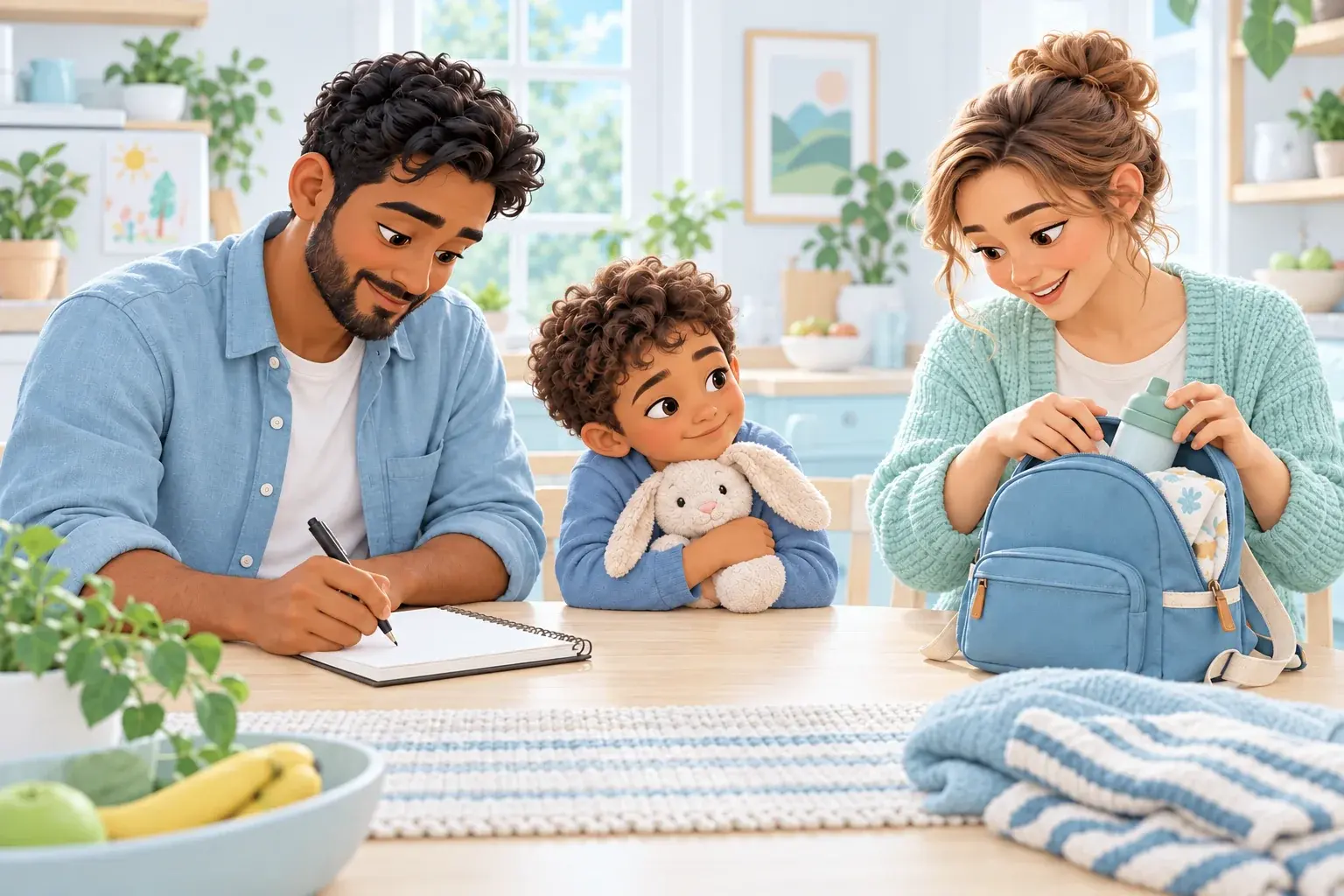
Start with the everyday picture
Think about one moment that is going well and one that feels difficult. Perhaps your child loves shared story time, while leaving the house takes a lot of support. Concrete examples can make a conversation easier than trying to describe everything at once.
You can also mention your child’s interests, preferred ways to communicate and anything that helps them feel comfortable meeting someone new.
Make a small checklist
Ask the provider what is needed for the appointment before gathering or sending records.
- Confirm whether the first meeting is a call, a visit or an assessment.
- Ask who will attend and whether your child needs to be present.
- Request your preferred language or interpretation support.
- Ask about insurance verification, possible costs and scheduling.
- Find out how to send any requested documents securely.
Keep sensitive details in the right place
Use public contact forms only for basic contact information. Avoid putting diagnoses, insurance identifiers or medical documents into social-media messages. Ask the team which secure channel to use.
If you have developmental concerns, speak with your child’s health professional. CDC also describes early intervention and school-based evaluation pathways; eligibility and next steps depend on the program. You can explore those options while learning about other services.
Sources & further reading
General educational information. Your child’s care team can help you decide what fits their needs.
GOOD READS TRAVEL WELL
Pass it along.
THE FAMILY JOURNAL
Keep exploring

Considering ABA? Start with these questions.
A plain-language starting point for choosing support that respects your child and makes sense for your family.
Read the story
Everyday routines, with room to be human.
A gentle way to think about predictability, transitions and the days that do not go to plan.
Read the story